
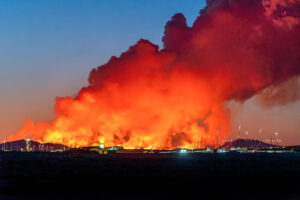
Arson is one of the most serious property-related crimes in California. Prosecutors treat it not only as a threat to property but also as a danger to human life—especially when fires spread or cause injury.
Unfortunately, many people are charged with arson based on circumstantial or flawed evidence, such as accidental fires or mistaken assumptions about intent. At Simmons Wagner, LLP, we understand how quickly suspicion can turn into a criminal case and how important it is to fight these charges with precision and urgency.
How California Defines Arson
Under California Penal Code Sections 451 and 452, the law distinguishes between intentional arson and reckless burning:
- PC 451 – Arson: Intentionally setting fire to property, structures, or forest land. This is always a felony and can lead to up to nine years in prison depending on what was burned and whether anyone was injured.
- PC 452 – Reckless Burning: Causing a fire through reckless behavior rather than deliberate intent. This may be charged as a misdemeanor or felony depending on the damage caused.
Prosecutors must prove more than the existence of a fire—they must show that you acted willfully or recklessly and that your actions directly caused the blaze.
Common Scenarios That Lead to Arson Charges
Many arson cases begin as simple accidents or misunderstandings. Common situations include:
- Backyard burn piles or campfires that spread beyond control
- Electrical or mechanical malfunctions mistaken for deliberate ignition
- Insurance disputes after house fires
- Fires following domestic or business disputes where intent is presumed
- Juvenile experimentation with fireworks or matches
Even if you had no intent to start a destructive fire, law enforcement may assume otherwise—especially when property damage or injuries occur.
The Evidence Prosecutors Use
Arson investigations often rely heavily on circumstantial and scientific evidence. Fire investigators analyze burn patterns, chemical residues, and ignition points to determine cause—but these conclusions can be flawed. At Simmons Wagner, LLP, we know how to challenge questionable forensic findings.
Prosecutors may rely on:
- Accelerant detection tests suggesting gasoline or lighter fluid use
- Surveillance footage or eyewitness statements
- Inconsistent statements made under pressure
- Insurance or financial motives inferred from circumstances
However, fires are complex events. Heat, airflow, and materials can create misleading patterns that even trained investigators misinterpret. We work with independent fire experts to reexamine evidence, identify alternative causes, and expose investigative errors.
Key Defense Strategies in Arson Cases
Successfully defending an arson charge requires a detailed understanding of both fire science and criminal law. Simmons Wagner, LLP builds defenses that focus on reasonable doubt and the absence of intent. Strategies may include:
- Proving accidental ignition: Demonstrating that the fire resulted from negligence or environmental factors, not deliberate action.
- Challenging forensic conclusions: Questioning the accuracy of fire origin or accelerant testing methods.
- Exposing false motives: Countering claims of financial or personal gain.
- Highlighting constitutional violations: Suppressing evidence obtained through unlawful searches or interrogations.
- Establishing alibis or witness inconsistencies: Showing you were not present or that testimony contradicts other evidence.
Each case is unique, and a customized defense plan can make the difference between conviction and dismissal.
The Role of Intent—and Why It Matters
Intent is the cornerstone of any arson prosecution. Without proof that you meant to start a fire or acted with reckless disregard, the state’s case weakens dramatically. For example, a campfire that accidentally spreads may not meet the legal threshold for felony arson, even if the damage is significant.
Our attorneys focus on dismantling the state’s theory of intent. By carefully reconstructing events, interviewing witnesses, and presenting credible expert testimony, we ensure the full truth comes to light.
Protect Your Rights from the Start
If you’ve been questioned or charged in connection with a fire, do not assume you can “clear things up” by talking to investigators. Fire cases often involve multiple agencies, including local fire departments and state or federal authorities, and statements made early can later be used against you.
At Simmons Wagner, LLP, we move quickly to secure evidence, preserve your rights, and begin building your defense from day one. Our experience with forensic analysis, expert testimony, and courtroom strategy gives you the strong legal protection these high-stakes cases demand.
Contact Simmons Wagner, LLP today at (949) 439-5857 to schedule a confidential consultation and learn how we can defend you against arson allegations in California.