
A Simmons & Wagner DUI Defense Perspective
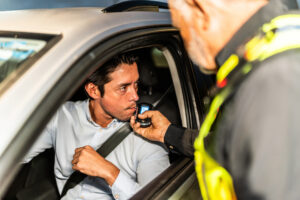
If you’re pulled over under suspicion of driving under the influence in California and an officer asks you to submit to a breathalyzer or blood test, it’s easy to feel trapped and unsure what to do. At Simmons & Wagner, we believe every driver deserves to understand their rights, the legal risks, and how a refusal can be defended.
In California, the rules around chemical testing in DUI cases are governed by what is known as “implied consent laws.” But the reality is far more nuanced than what many roadside posters or officer statements suggest.
What Is Implied Consent?
“Implied consent” means by driving on California roads you are presumed to have agreed to submit to chemical testing (breath or blood) if arrested for DUI. Refusing such tests triggers automatic administrative penalties—even before any criminal case is filed.
In practical terms:
- If you’re lawfully arrested for DUI and the officer requests a breath test (or blood, under certain circumstances), you’re required under California law to submit.
- If you refuse, you face serious consequences—even if you were sober.
But implied consent is not absolute. The specifics matter a lot.
Breath vs. Blood: When Each Test Applies
Breathalyzer (Breath Test)
- Most common method used by the California Department of Motor Vehicles (DMV).
- Often administered at a police station or mobile unit.
- Special calibration, operator training and protocols apply (e.g., the operator must be certified).
Blood Test
Under California law, blood testing is required when:
- The person is unable to provide a breath sample (e.g., unconscious, hospitalised, mouth injuries)
- A warrant has been obtained by the officer for a blood draw
- The officer reasonably believes the person is under the influence of certain drugs (drug‐influenced driving)
- Officer is using a warrant exception (for example where consent is not feasible, or exigent circumstances exist)
Because blood testing is more invasive and often involves medical personnel or hospital staff, the legal standards are higher.
What Happens If You Refuse a Test in California?
Administrative (DMV) Penalties
If you refuse to take the breath or blood test when lawfully arrested:
- Your driver’s license is automatically suspended for at least one year for a first refusal.
- If you have a prior refusal or DUI, suspension can be longer or ignition interlock requirements can be imposed.
- You may still be required to install an ignition interlock device (IID) before reinstatement.
- You have a very short window (usually 10-30 days) to request a DMV hearing to contest the suspension; missing it means you lose the administrative case automatically.
Criminal Penalties
- Refusal to submit is not a crime in itself in California (unlike some states which criminalize refusal).
- However, the prosecution will use the refusal as evidence of consciousness of guilt, i.e., that you knew you were impaired and so refused the test.
- The underlying DUI charge still proceeds—and you may face potentially harsher negotiation stances because of the refusal.
Why Many People Think Refusal Is Safer—And Why That’s Not Always True
Myth: “If I refuse the breath test I’ll avoid DUI charges.”
Reality: You might avoid the immediate breath reading, but you still face:
- Automatic license suspension
- The risk that the officer obtains a warrant for a blood draw anyway
- A stronger case for the prosecution—many officers will argue the refusal shows you knew you were impaired
- The same or worse legal consequences as if you took the test and failed
Myth: “If I take the breath test and fail, I’m guaranteed a conviction.”
Reality: A breath reading alone doesn’t guarantee a conviction. Numerous defenses (calibration issues, operator errors, health conditions) may apply.
At Simmons & Wagner we evaluate whether refusal is the best move—or whether taking the test and aggressively attacking it is a smarter strategy. Every case is different.
How Lawyers Defend Refusal Cases
Facing a refusal‐based license suspension or criminal DUI case? A defense attorney from Simmons & Wagner will focus on:
1. Did the officer properly administer implied-consent warnings?
- Was the “advisement” given exactly as required by statute and the DMV?
- Was it in a language the driver understood?
- Was the driver impaired or under duress when the warning was given?
2. Was the test request lawful and valid?
- Was there probable cause to arrest for DUI before test request?
- Did the officer have the right to ask for a blood test (rather than just breath) under the circumstances?
- If a warrantless blood draw was done, were the exigent circumstances sufficient or was the warrant required?
3. Was the license‐suspension hearing handled properly?
- Did the driver request a DMV hearing in time?
- Were all required forms processed correctly by the DMV and law enforcement?
- Can the attorney identify procedural defects that invalidate the suspension?
4. Is the prosecution using the refusal against you—and can it be countered?
- Although refusal is not criminal in itself, prosecutors will use it in their narrative.
- Defense attorneys show how refusals may stem from fear, lack of understanding, or medical issues—not necessarily guilt.
- Attorneys can introduce evidence of sobriety even without a breath reading: witnesses, surveillance, timelines, medical records.
5. Strategic decision: test or refuse?
- In some cases, it may make sense to submit to the breath test and attack the results later.
- In others, refusal might be the best path—but the decision should be made before the test, with understanding of risks.
Why You Should Call Simmons & Wagner Immediately After a Refusal or Arrest
- You have limited time for DMV hearings—missing the deadline often means losing the suspension case automatically.
- The criminal DUI case is moving simultaneously. Early defense involvement preserves your rights and sets a stronger foundation.
- A seasoned attorney can spot administrative errors, warrant requirements, and constitutional issues that non-lawyers (or DIY approaches) miss entirely.
- Our team knows how to shape the narrative around refusal so it doesn’t become a self-fulfilling prophecy of “conscious guilt.”
Final Thoughts with Simmons & Wagner
Refusing a breathalyzer or blood test in California doesn’t guarantee safety—it guarantees one thing: automatic administrative consequences and a more complex criminal defense ahead. But it doesn’t mean your case is hopeless.
At Simmons & Wagner, we’ve defended many clients who refused the test—and many who didn’t. The outcome isn’t determined by one moment’s decision—it’s how you build your defense from that moment onward.
If you or someone you know was asked to take a chemical test and said no—or did take one and now faces DUI charges—we urge you to contact Simmons & Wagner right away. The sooner we begin, the stronger your position.